In Sichuan dialect, when people refer to someone as "Shifu Huang," they are not simply addressing a person named Huang who works as a master craftsman. Instead, this term carries a deeper cultural meaning that has evolved over time to describe someone who is unskilled or unreliable in their profession.
Historical Origins and Linguistic Development
The term's meaning comes from the unique usage of the character "Huang" in Sichuan dialect, where it implies "amateurish" or "incompetent." This usage dates back to the late Qing Dynasty and has several interesting linguistic origins.
Linguistic Connections
Scholars believe this meaning developed from the character "Huang", which means "barren" or "waste." Through phonetic evolution in classical Chinese, the two characters became connected in meaning. Evidence of this usage appears in classical literature where "Huang" describes failed endeavors or incomplete work.
The Cultural Context of "Shifu"
The word "Shifu" traditionally refers to a skilled master or craftsman. In historical context, being called "Shifu" implied genuine expertise in a particular trade or profession. This term was reserved for those who had mastered their craft through years of practice and dedication.
The Ironic Combination
When combined, "Shifu Huang" creates an ironic expression meaning "Incompetent Master." This perfect contradiction captures the Sichuanese love for humorous criticism and indirect expression. The term likely emerged during the late Qing period when rickshaw transportation became popular.
Transportation Connection
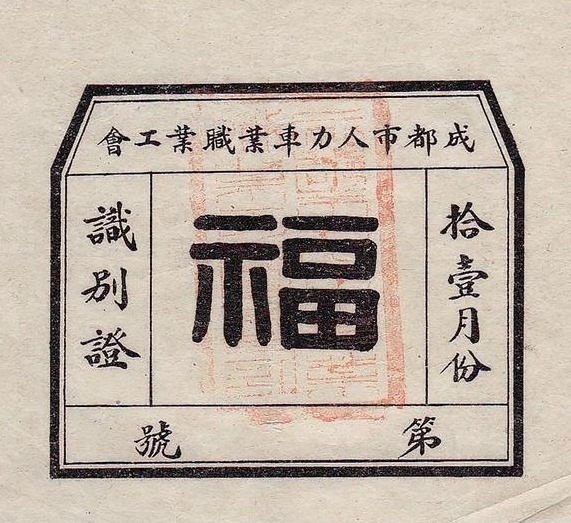
The term gained particular association with transportation during the rickshaw era in the late 19th century. Rickshaw drivers, who often wore yellow uniforms, were sometimes ironically called "Shifu Huang," cementing the term's connection with poor driving skills.
Modern Usage and Cultural Significance
Today, "Shifu Huang" specifically refers to poor drivers or anyone demonstrating incompetence in their field. The expression exemplifies Sichuanese humor - indirect, witty, and layered with historical meaning. It represents how language evolves while preserving cultural memory.
Why the Specific Surname?
The use of "Huang" rather than other common surnames stems from both the phonetic connection to rickshaws (which were yellow) and the established slang meaning of "Huang" as incompetent in Sichuan dialect.
Cultural Legacy
This term demonstrates the richness of Sichuanese expression and how language can transform a simple surname into a complex cultural reference. It continues to be used humorously to describe someone's lack of skill while maintaining the traditional respect implied by "Shifu."
The expression represents a perfect example of how language evolves to capture cultural attitudes and historical experiences, creating expressions that are both humorous and deeply rooted in local tradition.